EZ-Pass South Carolina works through a system called Palmetto Pass, which lets drivers pay tolls on South Carolina roads without stopping at booths. The program started to give travelers a fast way to move through toll plazas on the Cross Island Parkway and the Southern Connector. Drivers mount a small transponder on their windshield, and the device talks to overhead sensors that read the signal and deduct the toll from a prepaid account. This setup removes the need to dig for change, wait in cash lanes, or worry about lost tickets. The Palmetto Pass system also joins the larger E-ZPass network, so a South Carolina transponder works in dozens of other states from Maine to Illinois. This guide covers every part of the program, from sign-up steps and pricing to violation rules and cross-state travel. It also explains the differences between E-ZPass and Palmetto Pass, lists current toll rates, and answers common questions about account management. The goal is to give drivers a clear, simple resource that solves real problems on South Carolina toll roads.

The program began in the late 1990s to modernize toll collection on the Cross Island Parkway on Hilton Head Island. The Southern Connector, also called I-185 near Greenville, joined the system later. Both roads use Palmetto Pass as the primary payment method. The state also keeps cash lanes and a pay-by-plate option for drivers without a transponder, but the transponder saves money on every trip. E-ZPass South Carolina transponders work in every state that belongs to the EZPass Interagency Group, which covers more than 19 states across the eastern half of the United States.
What Is EZ-Pass South Carolina and How Does It Work?
EZPass South Carolina is the popular name for the electronic toll collection system run by the South Carolina Department of Transportation. The official brand name for the transponder and account is Palmetto Pass. The system uses radio-frequency identification, or RFID, to read a small device mounted on the inside of a vehicle’s windshield. When a car passes through a toll plaza, an overhead antenna sends a signal to the transponder. The transponder sends back a unique ID number that links to a prepaid account. The system subtracts the correct toll amount from the balance in seconds. The driver never has to stop, roll down a window, or hand over cash.
South Carolina decided to join the E-ZPass network to make travel easier for residents and visitors. Many drivers cross state lines for work or vacation, and a single account removes the need to carry multiple toll devices. The system also cuts down on traffic at toll plazas, which lowers fuel use and air pollution. The state collects tolls only on specific roads, and most highways in South Carolina remain toll-free. Drivers pay tolls only when they use the Cross Island Parkway or the Southern Connector.
The Technology Behind the Transponder
The transponder is a small electronic tag that weighs less than an ounce. It runs on a battery that lasts about five to seven years. When the battery runs low, the tag beeps at toll plazas to warn the driver to replace it. The tag has no moving parts and sits in a small mount on the windshield behind the rearview mirror. The system reads the tag at highway speeds, so drivers do not need to slow down. The signal is encrypted to protect account data and prevent fraud. SCDOT stores all account balances and trip records in a secure database.
Where You Can Use Palmetto Pass
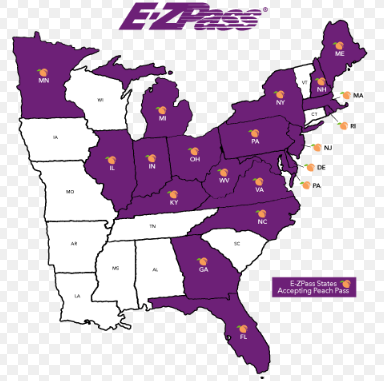
Drivers use Palmetto Pass on every toll road in South Carolina. The two main facilities are the Cross Island Parkway on Hilton Head Island and the Southern Connector near Greenville. Drivers also use the transponder in 19 other states that belong to the E-ZPass Group. These states include Maine, New Hampshire, Massachusetts, Rhode Island, New York, New Jersey, Pennsylvania, Delaware, Maryland, Virginia, West Virginia, Ohio, Indiana, Illinois, Kentucky, North Carolina, Georgia, Florida, and Minnesota. Some toll agencies outside this group also accept E-ZPass, including parts of Oklahoma and Texas, but coverage varies by road.
EZPass vs Palmetto Pass: Key Differences Explained
Many drivers ask whether EZ-Pass and Palmetto Pass are the same thing. The short answer is that Palmetto Pass is South Carolina’s brand name for its E-ZPass-compatible program. The transponder, the account system, and the toll rates work just like other E-ZPass agencies. The main difference is the issuing agency. SCDOT runs Palmetto Pass, while other states run their own programs under the E-ZPass name. New York runs the New York E-ZPass, and so on. All these programs share the same network and the same technology.
Another difference involves account rules. Each state sets its own rules for minimum balances, monthly fees, and discount plans. South Carolina does not charge a monthly account fee for standard personal accounts. Some states, like New York, charge a small monthly fee. Each state also sets its own violation fees and dispute rules. A driver who has a Palmetto Pass and drives in another state must follow that state’s rules for toll disputes and late fees. The transponder itself looks slightly different in some states, but the internal technology stays the same.
Why the Branding Matters
The Palmetto Pass name helps drivers recognize that the program is run by South Carolina. The palmetto tree and crescent moon appear on the official website and account statements. Drivers sometimes confuse Palmetto Pass with the older “SunPass” program in Florida, but the two systems use different technology. E-ZPass and Palmetto Pass use RFID, while older SunPass systems used different frequencies. Modern SunPass and E-ZPass transponders now work together, but drivers should always check before a long trip.
Which Option Is Better for Visitors
Visitors to South Carolina have three options. They can buy a Palmetto Pass, use their home-state E-ZPass from another agency, or pay tolls by plate. Drivers from E-ZPass states can use their existing transponder without opening a Palmetto Pass account. The toll will be billed to their home account. Drivers from non-E-ZPass states can open a Palmetto Pass account before the trip or pay tolls by plate at a higher rate. The pay-by-plate rate usually costs about 50 percent more than the transponder rate.
South Carolina Toll Roads and Facilities Map
South Carolina has a small number of toll roads compared to states like New York or Florida. The two main toll facilities are the Cross Island Parkway and the Southern Connector. The Cross Island Parkway runs about seven miles across Hilton Head Island, from US 278 to the Sea Pines Circle. Drivers pay tolls at two main plazas along the route. The Southern Connector runs about 16 miles along I-185, connecting I-85 to I-385 south of Greenville. Drivers pay tolls at a main plaza near the middle of the route.
Cross Island Parkway Details
The Cross Island Parkway opened in 1998 as a faster route across Hilton Head Island. It cuts travel time for residents and tourists and protects residential neighborhoods from heavy traffic. The road has two lanes in each direction and passes through scenic marsh areas. The toll plaza on the parkway accepts Palmetto Pass, cash, and pay-by-plate. The transponder lane moves traffic quickly during peak hours.
Southern Connector Details
The Southern Connector opened in 2001 as a public-private partnership. It provides a fast route around the south side of Greenville and connects commuters to I-85 and I-385. The road has two lanes in each direction and includes a main toll plaza. Drivers can pay with Palmetto Pass, cash, or credit card. The road reduces travel time for thousands of daily commuters.
Other Tolled Facilities
South Carolina does not have tolls on I-95, I-26, I-20, or I-77. Drivers do not pay tolls on the Arthur Ravenel Jr. Bridge in Charleston or the Cooper River Bridges. These bridges were tolled when they first opened, but the state removed the tolls after the construction bonds were paid off. Most South Carolina highways remain toll-free. The state uses gas taxes to fund road maintenance, which keeps most roads free of tolls.
How to Get EZ-Pass in South Carolina: Sign-Up Process
Opening an EZPass South Carolina account takes only a few minutes. The Palmetto Pass website lets drivers sign up online at any time. Drivers can also visit a customer service center in person or call the toll-free number. The sign-up process asks for basic information, including the driver’s name, address, license plate number, vehicle make and model, and payment method. Most drivers finish the online application in under 10 minutes.
Step 1: Gather Your Documents
Before starting the application, drivers should have their driver’s license, license plate number, and a credit card or bank account ready. The system uses this data to set up the account and link the transponder to the right vehicle. Drivers with multiple vehicles can add up to four vehicles to a standard account. Business owners can open a business account with more vehicles.
Step 2: Visit the Official Website
Drivers can sign up at the official SCDOT website or the Palmetto Pass portal. The site walks the driver through the application form. Drivers enter personal details, vehicle details, and payment information. The form asks for the transponder type: interior sticker or exterior hard case. Each option has different costs.
Step 3: Pay the Initial Deposit
New accounts must add money to the account before receiving the transponder. The minimum opening balance is $25 for a standard personal account. The deposit pays for future tolls and stays in the account until the driver closes it. The system draws tolls from the balance automatically as the driver passes through toll plazas.
Step 4: Receive Your Transponder
SCDOT ships the transponder to the driver’s address within five to seven business days. The transponder comes with a mounting bracket and instructions. The driver mounts the transponder on the windshield and starts using the toll lanes right away. The driver can also pick up a transponder at a customer service center for same-day use.
EZPass SC Account Types and Pricing
South Carolina offers several account types to fit different driving habits. The standard personal account works for most drivers. Business accounts serve companies with multiple vehicles. Commuter accounts offer discounts for frequent users. Each account type has different rules for fees, deposits, and toll rates.
Standard Personal Account
The standard personal account costs $25 to open. SCDOT does not charge a monthly fee for personal accounts. The driver pays only for tolls and any optional features. Drivers can add up to four vehicles to a standard account at no extra charge. Each additional vehicle beyond four costs $10 per year.
Business Account
Business accounts work for companies, government agencies, and rental car fleets. The account requires a $50 opening deposit. Business accounts can include up to 100 vehicles per account. The account manager can add or remove vehicles through the online portal. Business accounts receive a single monthly statement for all vehicles.
Commuter Account
Commuter accounts work for drivers who use toll roads every day. The account offers a discount on tolls after a set number of trips per month. The discount applies automatically once the driver hits the threshold. Commuter accounts require a $50 opening deposit and a $25 monthly minimum balance.
Pricing Breakdown
| Account Type | Opening Deposit | Monthly Fee | Vehicle Limit |
|---|---|---|---|
| Standard Personal | $25 | $0 | 4 vehicles |
| Commuter | $50 | $0 | 4 vehicles |
| Business | $50 | $0 | 100 vehicles |
| Additional Vehicle | $10 per year | N/A | Per vehicle |
EZPass Transponder Options: Sticker vs Hard Case
South Carolina offers two transponder types. The interior sticker is thin and flat. The exterior hard case mounts outside the vehicle on the front bumper or license plate. Each option has pros and cons based on vehicle type and driver preference.
Interior Sticker Transponder
The interior sticker is the most popular option. The driver sticks the tag to the inside of the windshield behind the rearview mirror. The tag is small, light, and easy to install. The tag costs $5 to replace if lost or damaged. The sticker stays in place during car washes and normal driving.
Exterior Hard Case Transponder
The exterior hard case is required for motorcycles and some specialty vehicles. The driver mounts the case on the front bumper or license plate bracket using screws or adhesive. The case is waterproof and built for rough conditions. The case costs $20 to replace if lost or damaged.
Which Option Works Best
Most passenger vehicles use the interior sticker. The sticker works in all toll plazas and reads correctly at highway speeds. Drivers with metalized windshields may need the exterior hard case because metal coatings can block the signal. Drivers should check the vehicle owner’s manual for windshield coatings before installing the sticker.
EZPass Login and Online Account Management
The EZPass login system gives drivers full control over their Palmetto Pass account. Drivers can log in at any time using a computer, tablet, or smartphone. The online portal lets drivers check their balance, view trip history, update payment methods, and add new vehicles. The portal also sends email alerts when the balance drops below a set level.
How to Log In
Drivers visit the official Palmetto Pass website and click the login button. The login screen asks for a username and password. New users create a username and password during the application process. The system also offers two-factor authentication for added security.
Online Account Features
The online portal includes several useful features:
- Real-time balance check
- Trip history for the past 90 days
- Automatic recharge settings
- Payment method updates
- Vehicle management
- Statement downloads
- Violation status check
- Transponder replacement requests
Forgot Password Recovery
Drivers who forget their password can reset it through the portal. The system sends a reset link to the email address on file. The link expires after 24 hours for security. Drivers who cannot access their email must call customer service for help.
EZ-Pass Reload and Payment Methods
Palmetto Pass accounts use prepaid balances. Drivers add money to the account before using the toll roads. The system draws tolls from the balance as the driver passes through toll plazas. Drivers can reload the account in several ways to avoid a low balance.
Automatic Recharge
Automatic recharge is the easiest way to keep a balance. The driver sets a low-balance threshold and a recharge amount. When the balance drops below the threshold, the system charges the credit card or bank account on file and adds money to the account. Most drivers set a $10 threshold and a $50 recharge amount.
Manual Reload Online
Drivers can log in to the portal and add money at any time. The portal accepts credit cards, debit cards, and bank transfers. Drivers can add any amount from $25 to $500. The money appears in the account within minutes.
Phone Reload
Drivers can call the customer service number and add money over the phone. The system accepts credit card and debit card payments. The representative processes the payment and updates the balance during the call.
In-Person Reload
Drivers can visit a customer service center and add money with cash, check, or card. The center also accepts money orders. Drivers receive a printed receipt for every payment.
Reload Locations
Many retail locations across South Carolina accept Palmetto Pass reloads. These include select grocery stores, pharmacies, and convenience stores. Drivers enter their account number at the register and pay the desired amount. A list of reload locations appears on the official website.
EZ-Pass Monthly Billing and Statements
South Carolina sends monthly statements to drivers who use the toll roads. The statement shows every trip, the toll amount, the date and time, and the location. The statement also shows the current balance and any fees. Drivers receive statements by email or mail based on their account settings.
Statement Details
Each statement lists:
- Account number
- Statement period
- Beginning and ending balance
- All trips during the period
- Total toll charges
- Payments and reloads
- Any fees or adjustments
Paper vs Electronic Statements
Drivers can choose paper statements or electronic statements. Electronic statements arrive by email and stay in the online portal. Paper statements arrive by mail and cost $1 per month. Most drivers choose electronic statements to save money and help the environment.
Disputing a Charge
Drivers who see a charge they believe is wrong can dispute it through the portal or by phone. The dispute must include the trip date, time, and location. The system investigates the claim and responds within 30 days. Drivers do not have to pay disputed charges during the investigation.
EZ-Pass Mobile App Features
The EZPass mobile app puts account management on a smartphone. The app works on iOS and Android devices. Drivers can download the app for free from the Apple App Store or Google Play. The app offers the same features as the online portal with a mobile-friendly design.
App Functions
The app lets drivers:
- Check account balance
- View trip history
- Reload the account
- Update payment methods
- Receive low-balance alerts
- Find customer service centers
- Contact support
- Manage multiple vehicles
Push Notifications
The app sends push notifications for low balances, payment confirmations, and new statements. Drivers can turn notifications on or off through the phone settings. Push alerts help drivers avoid balance shortages that can lead to violations.
Mobile Payment Security
The app uses encryption to protect payment data. The app does not store credit card numbers on the phone. All transactions go through secure servers that meet banking industry standards.
EZ-Pass Customer Service and Support
SCDOT operates a customer service center for Palmetto Pass. Drivers can reach the center by phone, email, or in person. The center handles account questions, transponder issues, violation disputes, and payment problems. Support is available during business hours with extended hours for violation issues.
Phone Support
Drivers can call the customer service line at 1-855-238-5855. The line is open Monday through Friday from 8:00 AM to 5:00 PM Eastern Time. The line is also open on Saturdays from 9:00 AM to 1:00 PM for violation payments. The automated phone system handles balance checks and payments 24 hours a day.
Email Support
Drivers can email the support team through the contact form on the website. Email responses take one to two business days. Email works well for non-urgent questions and account updates.
In-Person Support
The customer service center is located in Columbia, South Carolina. The center is open Monday through Friday from 8:00 AM to 5:00 PM. Drivers can open new accounts, replace transponders, and pay violations in person. The center accepts cash, check, credit card, and debit card.
Self-Service Options
The automated phone system and online portal handle most account tasks without a representative. Drivers can check balances, reload accounts, and pay violations 24 hours a day without waiting for a representative.
EZPass Violations, Disputes, and Payments
A toll violation happens when a driver passes through a toll plaza without a working transponder or enough account balance. SCDOT uses cameras to capture the license plate and sends a violation notice to the registered owner. The notice includes the trip details, the toll amount, and a violation fee.
Violation Fees
The violation fee in South Carolina is $25 per trip plus the unpaid toll. The fee increases if the driver does not pay the notice on time. After 30 days, the fee increases to $50. After 60 days, the case moves to collections and may affect credit scores.
Paying a Violation
Drivers can pay violations online, by phone, by mail, or in person. The payment options include credit card, debit card, check, and money order. Drivers should pay the violation as soon as possible to avoid extra fees.
Disputing a Violation
Drivers who believe a violation is wrong can dispute it in writing. The dispute must include the violation number, the trip details, and the reason for the dispute. dispute reasons include:
- The transponder was in the vehicle but did not read
- The account had enough money at the time
- The vehicle was not in the driver’s possession
- The license plate number is wrong on the notice
SCDOT reviews each dispute and responds by mail within 30 days. If the dispute is approved, SCDOT cancels the violation fee.
Pay-by-Plate Option
Drivers without a transponder can register their license plate in the system and pay tolls by plate. The system reads the plate at the toll plaza and charges the registered account. The pay-by-plate rate is higher than the transponder rate, but it avoids violation fees.
EZPass Interoperability with Other States
EZ-Pass interoperability means a Palmetto Pass works in other states. The E-ZPass Interagency Group includes 19 states that share the same technology and billing system. A driver with a Palmetto Pass can drive from Maine to Illinois and pay tolls with the same transponder.
List of E-ZPass States
The E-ZPass Group includes:
- Maine
- New Hampshire
- Massachusetts
- Rhode Island
- New York
- New Jersey
- Pennsylvania
- Delaware
- Maryland
- Virginia
- West Virginia
- Ohio
- Indiana
- Illinois
- Kentucky
- North Carolina
- Georgia
- Florida
- Minnesota
How Interoperability Works
When a driver with a Palmetto Pass enters another state, the toll system reads the transponder and sends the charge back to SCDOT. SCDOT deducts the toll from the driver’s balance and adds the charge to the next statement. The process takes a few days to appear in the portal.
Out-of-State Violations
Drivers must follow the rules of each state. A violation in another state goes through that state’s collection process. SCDOT cannot dispute out-of-state violations on behalf of drivers. Drivers should contact the toll agency in the state where the violation happened.
Lost or Stolen EZ-Pass Transponder Replacement
Lost or stolen transponders must be reported right away. The driver logs into the portal or calls customer service to deactivate the tag. The system blocks the old tag from any future use. The driver then orders a replacement tag for a small fee.
Reporting a Lost Transponder
Drivers should report a lost or stolen transponder as soon as they notice it missing. Quick reporting protects the account from toll fraud. The system marks the tag as missing and rejects all future charges.
Replacement Cost
Replacement fees depend on the transponder type:
| Transponder Type | Replacement Fee |
|---|---|
| Interior Sticker | $5 |
| Exterior Hard Case | $20 |
| Switchable Transponder | $30 |
Shipping Time
Replacement transponders ship within five to seven business days. Drivers can pay extra for expedited shipping. The replacement tag links to the same account and does not require a new application.
EZPass Business Account Setup
Business accounts serve companies, government agencies, and rental fleets. The setup process is similar to a personal account but includes additional features for fleet management.
Business Account Requirements
Business accounts require:
- Federal Employer Identification Number (FEIN)
- Business name and address
- Contact person details
- Vehicle list with plate numbers
- Payment method for tolls and fees
Fleet Management Tools
Business accounts include tools that help fleet managers track vehicles and costs. The tools include:
- Detailed trip reports
- Cost analysis by vehicle
- Driver ID tracking
- Tax-ready statements
- Custom billing cycles
Business Account Fees
Business accounts cost $50 to open. The account does not charge a monthly fee. Each vehicle beyond 100 costs $10 per year. The account manager can add or remove vehicles at any time.
EZPass Discount Plans and Commuter Benefits
South Carolina offers discount plans for frequent toll road users. The plans reward drivers who use the toll roads every day with reduced rates after a set number of trips.
Commuter Discount Plan
The commuter discount plan gives drivers a reduced rate after 40 trips per month. The discount applies to trips on the Cross Island Parkway and the Southern Connector. The discount appears on the next statement automatically.
Frequent User Discount
The frequent user discount applies to drivers who travel the same toll road often. The discount depends on the specific road and trip volume. Drivers can check their eligibility through the online portal.
Employer Commuter Benefits
Some employers offer commuter benefits that cover toll costs as part of a pre-tax transportation program. Drivers should ask their employer about available programs. The IRS sets the maximum pre-tax benefit amount each year.
EZ-Pass Toll Rates on South Carolina Roads
Toll rates on South Carolina roads depend on the facility, vehicle type, and payment method. Transponder users pay the lowest rate. Pay-by-plate users pay a higher rate. Trucks and commercial vehicles pay higher rates based on axle count.
Cross Island Parkway Rates
| Vehicle Type | Transponder Rate | Pay-by-Plate Rate |
|---|---|---|
| 2-axle passenger | $1.50 | $2.25 |
| 3-axle vehicle | $2.50 | $3.75 |
| 4-axle vehicle | $3.50 | $5.25 |
| 5+ axle vehicle | $4.50 | $6.75 |
Southern Connector Rates
| Vehicle Type | Transponder Rate | Pay-by-Plate Rate |
|---|---|---|
| 2-axle passenger | $2.00 | $3.00 |
| 3-axle vehicle | $3.00 | $4.50 |
| 4-axle vehicle | $4.00 | $6.00 |
| 5+ axle vehicle | $5.00 | $7.50 |
Rate Updates
Toll rates can change each year. SCDOT reviews rates as part of the annual budget process. Rate changes take effect on January 1 of each year. The official website posts the current rates before any change.
Cross Island Parkway Toll Details
The Cross Island Parkway is a 7-mile toll road on Hilton Head Island. The road runs from US 278 to the Sea Pines Circle. The parkway has two toll plazas: one at the mainline and one at the eastern interchange.
Cross Island Parkway Hours
The Cross Island Parkway is open 24 hours a day, 7 days a week. The toll plazas operate around the clock. The parkway has a speed limit of 45 mph in most sections.
Cross Island Parkway Cash Lanes
The Cross Island Parkway accepts cash at the toll plazas during staffed hours. Staffed hours are typically 6:00 AM to 10:00 PM daily. Drivers who pass through after hours without a transponder get a pay-by-plate charge.
Cross Island Parkway Discounts
Local residents of Hilton Head Island can buy a local discount pass. The pass offers reduced tolls for residents who use the parkway every day. The application requires proof of residency on Hilton Head Island.
SC DOT Toll Roads Contact Information
The South Carolina Department of Transportation runs the Palmetto Pass program. Drivers can contact SCDOT for account help, transponder issues, and general questions.
Official Website
The official website for Palmetto Pass is www.palmettopass.com or through the SCDOT website at www.scdot.org.
Customer Service Phone Number
Toll-free customer service: 1-855-238-5855
Hours of Operation
Monday through Friday: 8:00 AM to 5:00 PM Eastern Time
Saturday: 9:00 AM to 1:00 PM Eastern Time (violation payments only)
Sunday: Closed
Mailing Address
Palmetto Pass Customer Service Center
South Carolina Department of Transportation
955 Park Street
Columbia, SC 29201
Office Location Map
The SCDOT headquarters is located in downtown Columbia, South Carolina, near the State House and the University of South Carolina campus. The office building sits on Park Street between Hampton Street and Assembly Street. Visitors can access the building from several major highways, including I-20, I-26, and I-77. Public parking is available on surrounding streets and in nearby garages.
Mistakes Drivers Make with EZPass South Carolina
Many drivers make simple mistakes that lead to violations or higher fees. Knowing these mistakes helps drivers avoid trouble on South Carolina toll roads.
Mistake 1: Forgetting to Mount the Transponder
New drivers sometimes forget to mount the transponder after opening the account. The transponder arrives in a small plastic case. The driver must remove the tag from the case and stick it to the windshield. The tag will not work while still in the shipping case.
Mistake 2: Letting the Balance Drop to Zero
Drivers who do not set up automatic recharge sometimes let the balance drop to zero. A zero balance causes a violation at the next toll plaza. Drivers should keep at least $10 in the account at all times.
Mistake 3: Using the Wrong Lane
Toll plazas have special lanes for transponder users. These lanes are marked with signs and sometimes have a different color. Drivers should stay in the marked lane for transponder users to avoid issues.
Mistake 4: Ignoring Low-Balance Warnings
The system sends emails and app alerts when the balance drops below the set threshold. Drivers who ignore these warnings may end up with violations. Drivers should check their email and app alerts regularly.
Mistake 5: Not Updating Vehicle Information
Drivers who change vehicles must update the account. The transponder links to the license plate and vehicle details. Drivers who buy a new car should remove the old vehicle and add the new one within 30 days.
EZPass South Carolina for Out-of-State Visitors
Out-of-state visitors have several options for paying South Carolina tolls. The best option depends on the length of the trip and how often the driver visits South Carolina.
Option 1: Use Existing E-ZPass
Visitors from E-ZPass states can use their home transponder. The toll will be billed to their home account. The driver does not need a Palmetto Pass account.
Option 2: Open a Palmetto Pass Account
Visitors who travel to South Carolina often can open a Palmetto Pass account. The account works the same way for visitors as for residents. The driver can close the account when no longer needed and receive a refund of the remaining balance.
Option 3: Pay by Plate
Visitors who do not want an account can register their license plate online. The system charges the credit card on file for each toll. The pay-by-plate rate is higher, but the option works for occasional travelers.
Option 4: Pay Cash
Drivers can pay cash at the toll plaza during staffed hours. This option costs more than the transponder rate and takes more time. It works for drivers who pass through only a few times a year.
EZPass South Carolina vs SunPass vs FasTrak
South Carolina’s Palmetto Pass works in the E-ZPass network. Other states have their own toll programs, including SunPass in Florida and FasTrak in California. Drivers should know the differences before a long trip.
SunPass Florida
SunPass is Florida’s toll system. SunPass and E-ZPass now work together on most Florida toll roads. A driver with a Palmetto Pass can use most Florida toll roads without buying a SunPass. Some older SunPass-only lanes may not read E-ZPass tags.
FasTrak California
FasTrak is California’s toll system. FasTrak does not work with E-ZPass or Palmetto Pass. Drivers who travel to California must open a FasTrak account or pay tolls by plate.
Other State Programs
Texas uses TxTag, EZ TAG, and TollTag. These systems work with E-ZPass on most roads. Oklahoma uses PikePass, which also works with E-ZPass. Drivers should check the specific road before a trip to confirm compatibility.
How EZPass Reduces Traffic and Pollution
EZPass reduces traffic congestion at toll plazas. Drivers do not need to slow down or stop to pay the toll. Cash lanes require cars to stop, hand over money, and wait for change. This process takes about 12 to 15 seconds per vehicle. Transponder lanes take less than one second per vehicle. Faster toll collection reduces fuel use. Cars that idle at toll plazas burn more gas than cars that move through at full speed. Less idling means less pollution. Studies show that electronic toll collection cuts emissions at toll plazas by about 30 percent.
Electronic toll collection also improves safety. Drivers in transponder lanes keep their eyes on the road and hands on the wheel. Cash lane drivers often fumble for money and lose focus. The lower number of stops also reduces rear-end crashes at toll plazas.
The History of EZPass South Carolina
South Carolina joined the electronic toll era in the late 1990s. The Cross Island Parkway opened in 1998 as the state’s first all-electronic toll road. The system used RFID technology similar to other E-ZPass states. The state chose E-ZPass to give travelers a familiar system they could use across state lines. The Southern Connector opened in 2001 as a public-private partnership. The road added a second toll facility to the system and increased the number of Palmetto Pass accounts. Over time, the system grew to include more drivers and more features. In the 2010s, South Carolina upgraded the system to support pay-by-plate and improved the online portal. The state also added mobile app support and text message alerts. These changes made the system easier to use and more accessible to drivers.
EZPass South Carolina and Rental Cars
Rental car drivers have specific options for paying tolls. Most rental car companies offer toll programs that charge a daily fee plus the toll amount. Drivers should check with the rental company before driving on a toll road.
Rental Car Toll Programs
Major rental car companies offer toll programs that work with E-ZPass and Palmetto Pass. The programs charge a daily fee of $3 to $10 plus the toll amount. The fee covers the rental company’s cost of managing the toll charges.
Using Your Own Transponder in a Rental
Some drivers choose to use their own Palmetto Pass in a rental car. The driver must add the rental car’s license plate to the account before driving on the toll road. The driver should remove the plate from the account after returning the car to avoid future charges.
Pay-by-Plate for Rentals
Rental car drivers without a transponder pay the pay-by-plate rate. The toll agency bills the rental company, which adds the toll and a service fee to the rental bill. This option is the most expensive but requires no setup.
Privacy and Data Security with EZPass
EZPass systems collect trip data, including the date, time, location, and amount of each toll. SCDOT stores this data in a secure system and uses it only for toll collection, account management, and traffic analysis. The state does not sell driver data to third parties.
Data Retention
SCDOT keeps trip records for five years. The records help with account disputes, audits, and traffic planning. Drivers can request a copy of their trip history through the online portal or by contacting customer service.
Privacy Protections
South Carolina follows state and federal privacy laws for toll data. The state limits access to account information to authorized employees. Drivers who have privacy concerns can contact customer service for more details.
Account Security Tips
Drivers should protect their account by:
- Using a strong password
- Enabling two-factor authentication
- Keeping contact information current
- Reviewing monthly statements
- Reporting lost transponders right away
Toll Road Safety for EZPass Users
Safe driving on toll roads starts with proper transponder use. Drivers should follow a few simple rules to avoid problems at toll plazas.
Mount the Transponder Correctly
The transponder mounts behind the rearview mirror, about two inches from the top of the windshield. The driver should clean the windshield before mounting. The tag must sit flat against the glass to read correctly.
Stay in the Right Lane
Toll plazas have specific lanes for transponder users. These lanes are marked with signs and symbols. Drivers should slow down and enter the correct lane before the toll plaza.
Keep a Safe Distance
Drivers should keep a safe distance from the car in front at toll plazas. Sudden stops are common in cash lanes. Safe following gives the driver time to react.
Check the Transponder Battery
The transponder battery lasts five to seven years. The tag beeps at toll plazas when the battery is low. Drivers should replace the tag as soon as possible after the warning.
Remove the Transponder When Selling the Car
Drivers who sell their car should remove the transponder and deactivate it. The new owner cannot use the old tag because it links to the seller’s account. The seller can transfer the tag to a new vehicle or close the account.
Frequently Asked Questions About EZPass South Carolina
The following questions cover the most common issues drivers face with EZPass South Carolina. Each answer provides clear, direct information based on current SCDOT rules. The FAQ section helps drivers solve problems fast and avoid violations.
Can I use my EZPass from another state in South Carolina?
Yes, EZPass transponders from any E-ZPass state work on South Carolina toll roads. The system reads your out-of-state tag and sends the charge back to your home agency. Your home agency deducts the toll from your balance and may charge an out-of-state processing fee. Drivers from non-E-ZPass states need a Palmetto Pass or must pay by plate or cash. The toll amount stays the same regardless of which state issued your tag. You do not need to open a separate Palmetto Pass account if you already have a working E-ZPass.
How long does it take to receive my Palmetto Pass transponder?
Standard shipping takes five to seven business days after SCDOT processes your application. Expedited shipping takes two to three business days for an extra fee. Drivers who need a transponder right away can pick one up at the Columbia customer service center during business hours. The center is open Monday through Friday from 8:00 AM to 5:00 PM. You must complete the online application first and bring a valid photo ID to pick up the tag. The center can also help with account setup if you have trouble with the online form.
What happens if my Palmetto Pass account balance goes negative?
A negative balance triggers a violation at the next toll plaza. SCDOT sends a violation notice to your address with a $25 fee plus the unpaid toll. You can avoid this by setting up automatic recharge with a low-balance threshold. The system adds money to your account before the balance reaches zero. If you get a violation notice because of a negative balance, you can pay it online or call customer service. Paying right away stops extra fees from piling up.
Can I share my Palmetto Pass transponder between two vehicles?
You can move the transponder between vehicles registered to the same account. The driver must swap the tag by hand, which can be hard with the interior sticker. The exterior hard case is easier to move. The system charges the toll to the account based on the license plate of the vehicle that passes through. The tag must be in the vehicle at the time of the toll. Drivers who often swap vehicles should add both vehicles to the account and use the right tag for each.
How do I dispute a toll violation in South Carolina?
You can dispute a violation by mail, online, or by phone. The dispute must include the violation number, the trip date, and the reason for the dispute. reasons include a working transponder, a leased or sold vehicle, or an incorrect plate number on the notice. SCDOT reviews disputes within 30 days and sends a written response. If the dispute is approved, SCDOT cancels the violation fee. If the dispute is denied, you can appeal through the South Carolina Administrative Law Court.
Is there a monthly fee for a Palmetto Pass account?
South Carolina does not charge a monthly fee for standard personal accounts. Business accounts and commuter accounts also have no monthly fee at this time. The only costs are tolls, replacement transponder fees, and optional features like paper statements. The opening deposit of $25 stays in your account until you close it. You receive a refund of the remaining balance when you close the account in good standing. Some other E-ZPass states charge $1 to $3 per month, but South Carolina keeps personal accounts free.
Can I use Palmetto Pass in Florida or Georgia?
Yes, Palmetto Pass works in Florida and Georgia because both states belong to the E-ZPass Interagency Group. Florida toll roads accept E-ZPass on most facilities, including the Sunshine Skyway, the Turnpike, and most express lanes. Georgia’s Peach Pass works with E-ZPass on most roads. Some specialty lanes in tourist areas may not accept E-ZPass, so check before driving. The toll amount and any out-of-state fees depend on the specific road and facility. Your Palmetto Pass account statement will show all out-of-state trips.